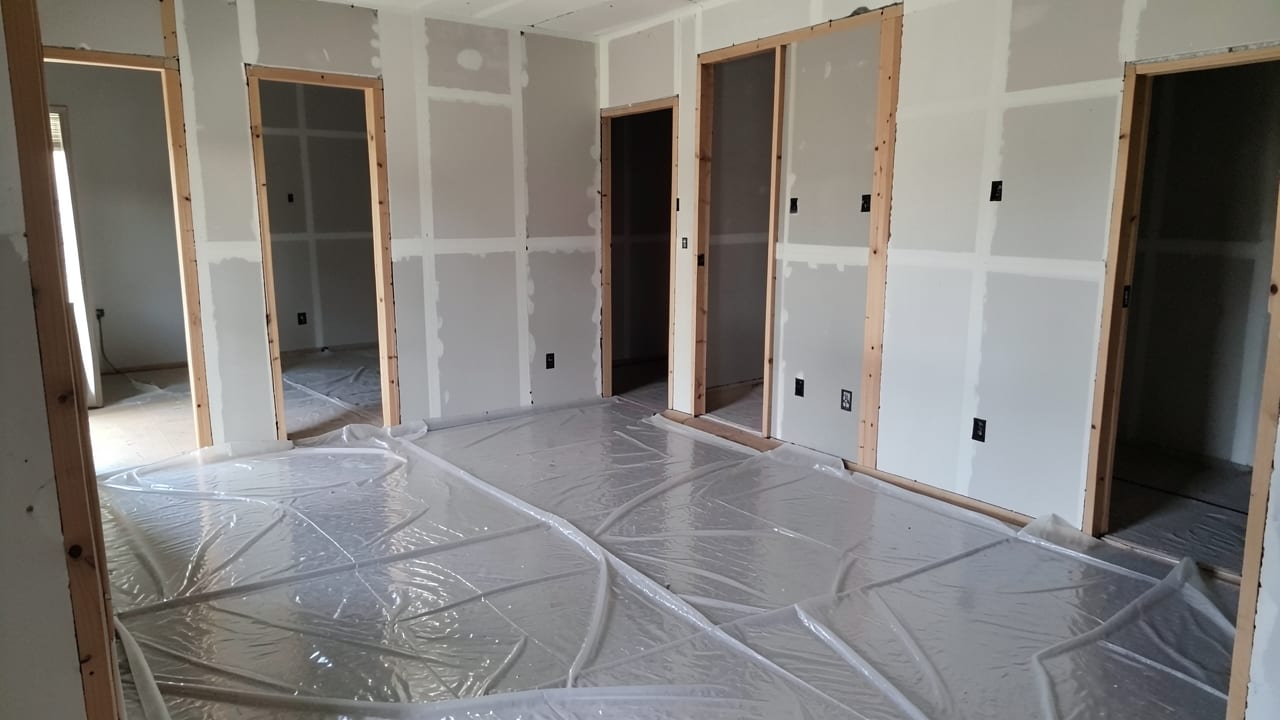
New Construction Mold Remediation
Professional mold removal and prevention in newly built homes to ensure safe, clean living spaces.
New construction mold remediation in Milltown, NJ addresses mold growth in recently built homes, often caused by trapped moisture during building. This service includes identification, containment, removal, and restoration to prevent structural damage and improve indoor air quality.
Proper remediation ensures mold does not spread to unaffected areas of the home.
We also handle School Mold Remediation and Warehouse Mold Cleanup for Milltown properties.
When is new construction mold remediation needed?
Mold in new construction often appears after the home is occupied, triggered by trapped moisture from building materials or poor ventilation. Signs that mold remediation is needed include visible growth covering more than a small patch, recurring mold after cleaning, or a persistent musty smell with no visible source.
These indicate the problem is likely hidden or tied to an ongoing moisture issue.
Rooms that stay damp—such as windowless bathrooms, basements, or closets—are high-risk areas. If mold keeps returning in the same spot, it usually means the moisture source was never fixed. A musty smell that worsens when the HVAC runs may signal hidden growth in ductwork or walls.
Signs You May Need Mold Remediation
- Mold covering more than 25 contiguous square feet (a common threshold for professional work).
- Recurring mold growth in the same spot after cleaning.
- A musty smell with no visible mold, especially when HVAC runs.
- Visible mold in multiple rooms or hidden areas (walls, under flooring, ducts).
- Condensation or water stains that suggest trapped moisture.
What affects pricing and timing?
Pricing for new construction mold remediation depends on the size of the affected area, the materials involved, and whether hidden moisture sources need addressing. Larger areas or complex containment requirements—such as sealing off multiple rooms—can increase costs. Drying time also varies based on humidity levels and the materials being treated.
Remediation typically includes containment, removal of contaminated materials, HEPA filtration, structural drying, and clearance testing. Each step is designed to prevent regrowth, but timing depends on factors like how quickly materials dry and how thoroughly moisture sources are addressed.
Why containment and clearance testing matter
Containment prevents mold spores from spreading during removal. Plastic sheeting and negative-air machines seal off the work area, ensuring spores stay contained. Without this, spores can drift into unaffected rooms, turning a small job into a larger one.
Clearance testing after remediation confirms spore levels are back to normal before the area is considered finished.
Skipping containment or clearance testing can leave hidden mold undetected, leading to regrowth. Proper containment and testing are critical steps to ensure the work is thorough and the home remains safe.
A tear in plastic sheeting, an open door, or improper negative air pressure can let spores escape. Always ensure the work area is fully sealed during remediation to prevent cross-contamination.
How new construction mold remediation works
This process ensures mold is safely removed and moisture sources are addressed.
- 1Containment Setup
Plastic sheeting and negative-air machines seal the affected area to prevent spores from spreading during removal.
- 2Material Removal or Treatment
Porous materials like drywall or insulation are cut out and bagged, while non-porous surfaces are scrubbed and treated.
- 3HEPA Filtration and Cleanup
HEPA air scrubbers and vacuums capture spores during removal, ensuring they don’t recirculate in the air.
- 4Structural Drying
Industrial dehumidifiers and air movers dry framing and subfloors to prevent regrowth from residual moisture.
- 5Clearance Testing
An independent lab tests air or surfaces to confirm spore levels are back to normal before containment is removed.
Frequently asked questions
How do I know if my new home’s mold is past DIY cleanup?
If mold covers more than 25 square feet, keeps returning after cleaning, or you notice a musty smell with no visible source, it’s likely time for professional remediation. Hidden growth or recurring issues often signal deeper moisture problems.
Will remediation fix the moisture issue causing the mold?
Remediation removes existing mold, but fixing the moisture source—like leaks, condensation, or poor ventilation—is critical to prevent regrowth. Always address the root cause to avoid future problems.
Do I need clearance testing after mold removal?
Yes, clearance testing confirms spore levels are safe before the area is considered finished. Without it, hidden mold or spores may remain undetected.
How long does the drying process take after remediation?
Drying time depends on humidity and material condition. Industrial dehumidifiers and air movers are used to bring moisture levels down to normal before the space is sealed.
Where Milltown sits, and what the Census lists nearby
Milltown sits in New Jersey, and the closest places listed in the U.S. Census Gazetteer are New Brunswick (2.6 miles north), South River (3 miles east), Highland Park (3.5 miles north), East Franklin (3.5 miles northwest).
Within 25 miles of Milltown the same source lists 196 distinct incorporated places and census-designated places.
Those figures matter for new construction mold remediation because they are straight-line distances between Census coordinate points: road mileage between Milltown and New Brunswick runs longer than the 2.6 miles shown, which is why quotes for the same job differ between towns that look close together on a map.
Source: U.S. Census Bureau Gazetteer.
See Pleasant Plains, NJ for more, or see what's included in our Milltown service at a glance for our complete lineup.
Ready to get started?
Talk to a local mold remediation pro in Milltown — get a written quote.
Other Mold Remediation Services in Milltown
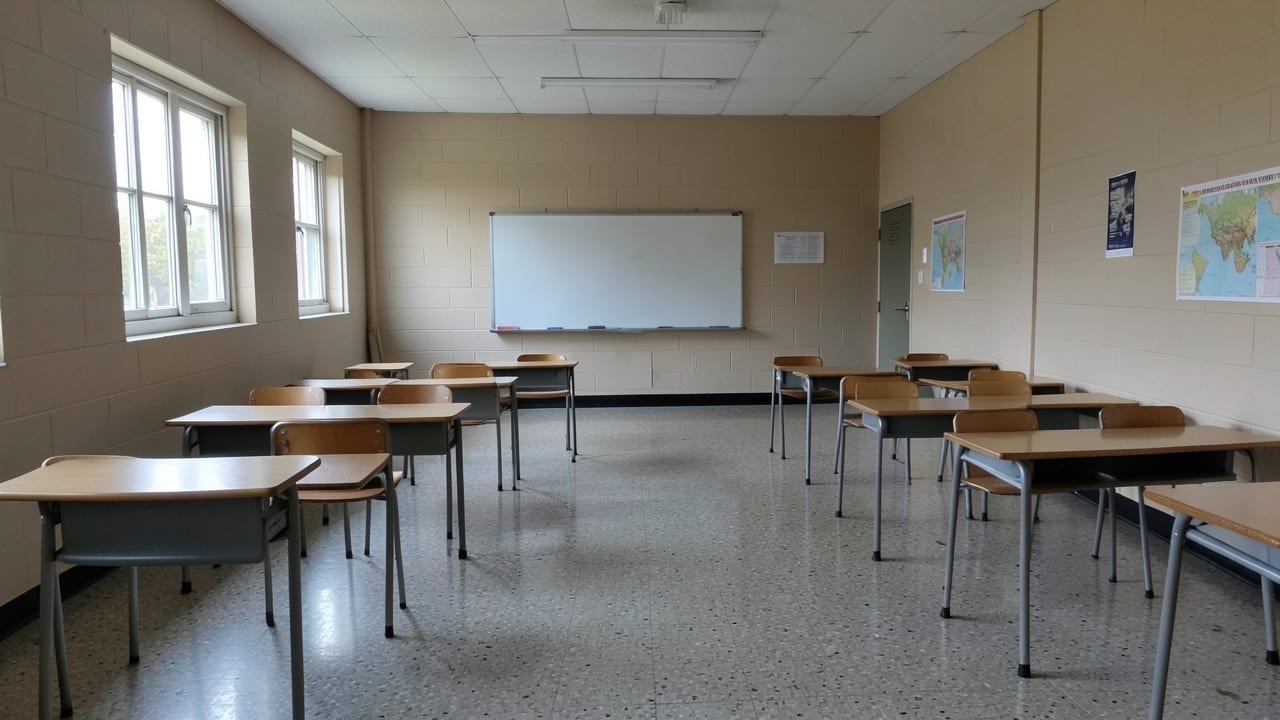
School Mold Remediation in Milltown, NJ
Professional mold removal and remediation in schools to ensure a safe, healthy environment.
Learn More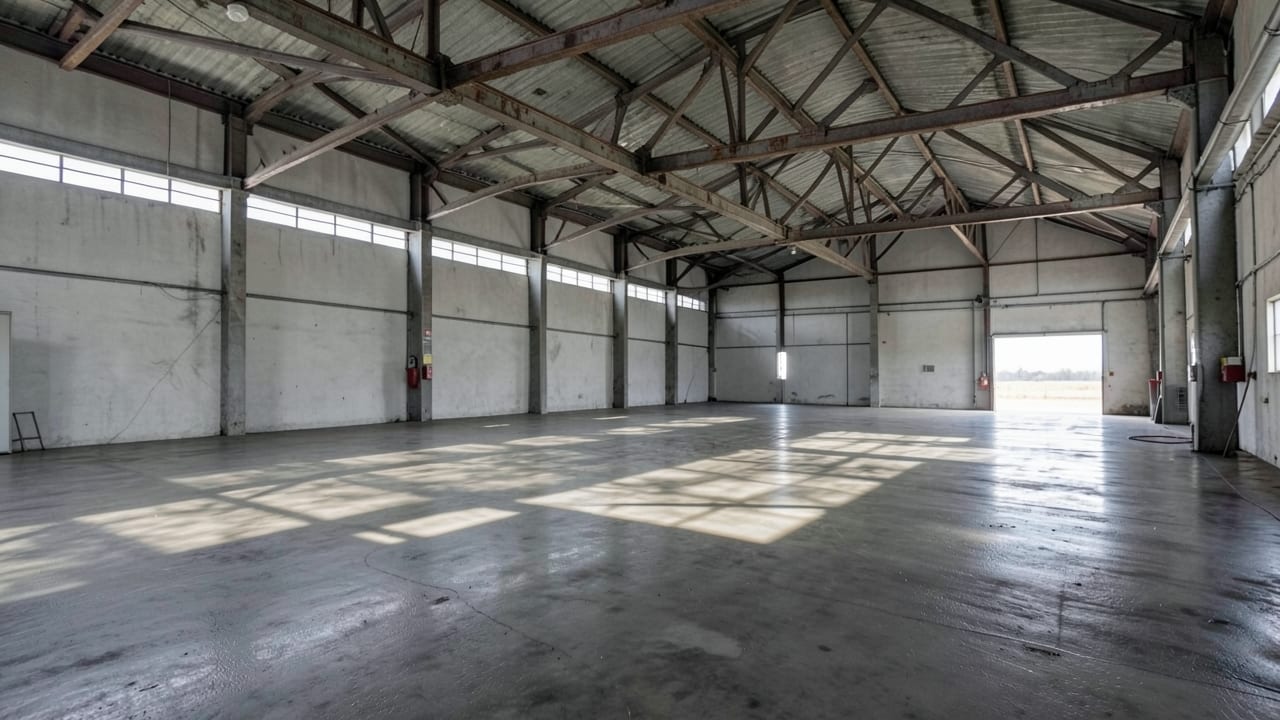
Warehouse Mold Cleanup in Milltown, NJ
Professional removal of mold from warehouse spaces to restore safe, clean conditions.
Learn More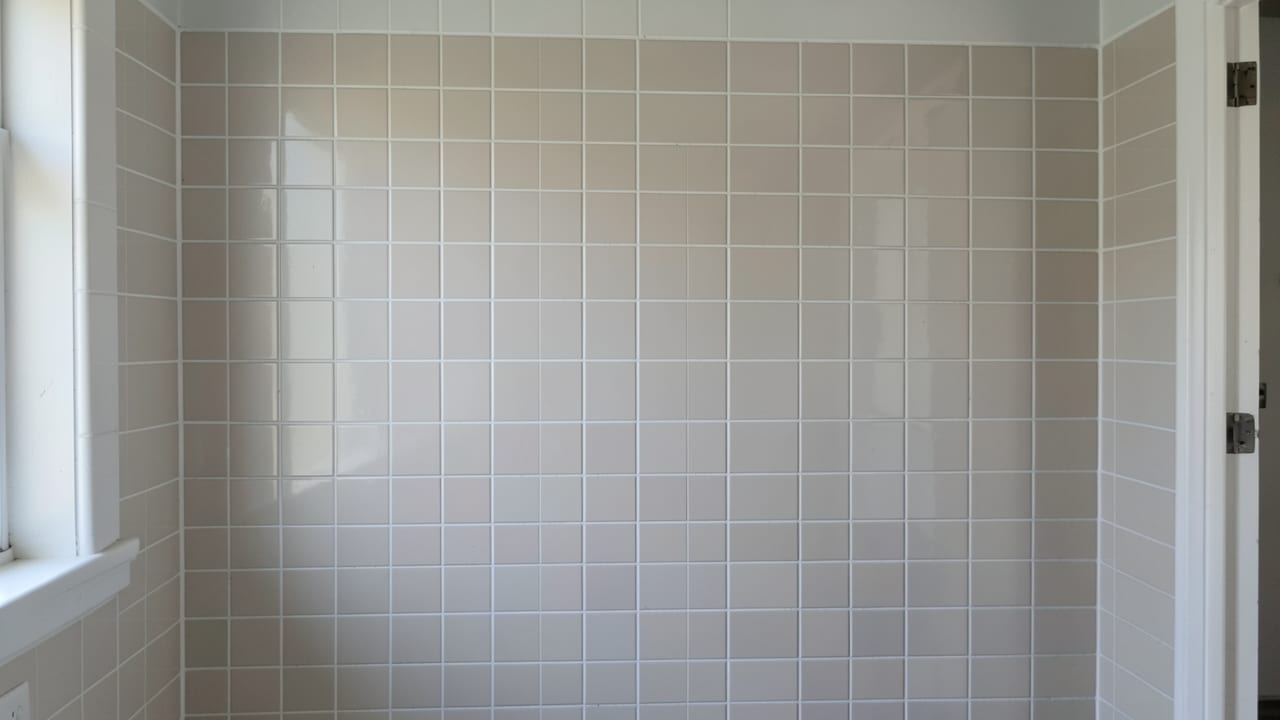
Tile & Grout Mold Cleanup in Milltown, NJ
Professional removal of mold from tile and grout surfaces in bathrooms, kitchens, and other tiled areas.
Learn More
Vinyl Flooring Mold Treatment in Milltown, NJ
Professional mold treatment and removal for vinyl flooring in homes.
Learn More
Metal Ductwork Mold Remediation in Milltown, NJ
Professional removal of mold from metal ductwork to restore indoor air quality.
Learn More
Brick Masonry Mold Treatment in Milltown, NJ
Professional mold treatment and removal from brick masonry to restore structural integrity and indoor air quality.
Learn MoreCommon Questions About Mold Remediation in Milltown
Everything you need to know about mold remediation services in Milltown
How much does New Construction Mold Remediation typically cost in Milltown, NJ?
Why does Milltown, NJ's humidity make mold a bigger risk than in drier regions?
Is black mold actually more dangerous than other mold types?
How long does a typical mold remediation job take?
Is it safe to stay in the home during mold remediation?
Can small mold problems be handled without hiring anyone?
Need Mold Remediation in Milltown?
Connect with local providers in Milltown for a detailed quote.
⏰ We answer your call • Serving all of Milltown and surrounding areas