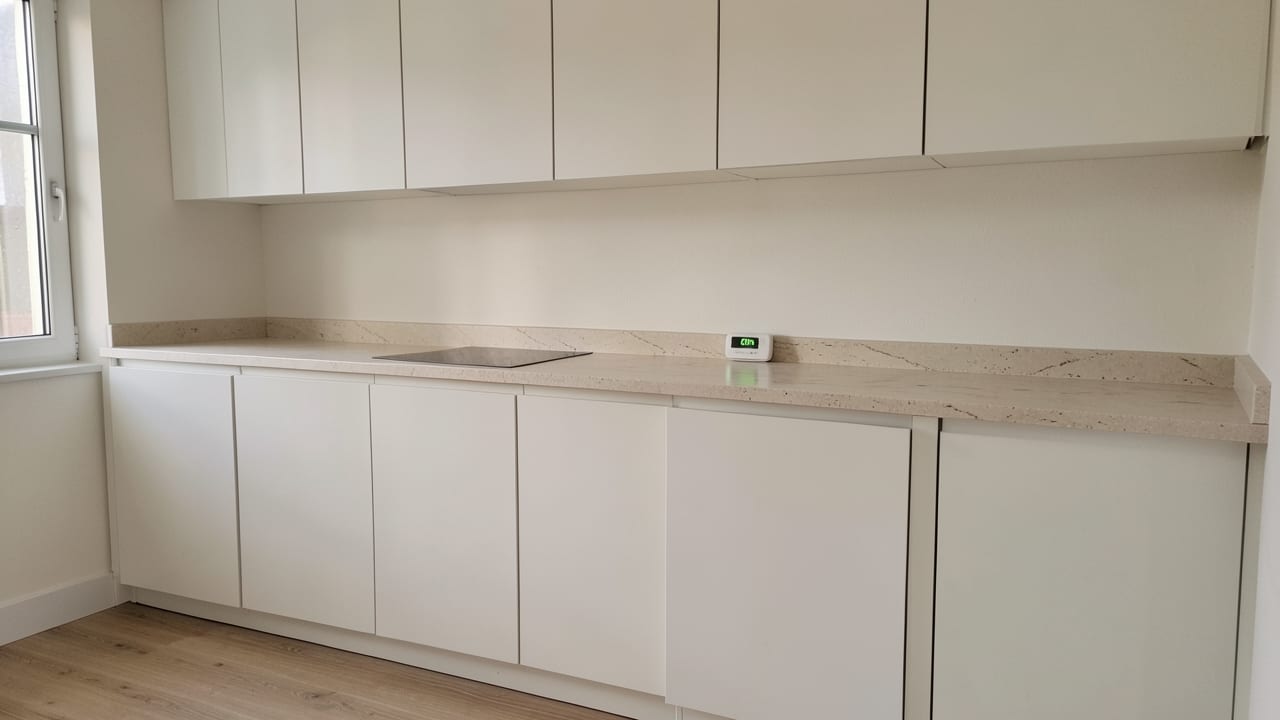
Move-In Mold Assessment
Professional inspection and assessment of mold presence before moving into a property.
Moving into a new home in Milltown, NJ, can bring excitement—and unexpected concerns like hidden mold. A move-in mold assessment examines your property before occupancy, identifying visible and hidden growth in walls, ceilings, basements, and HVAC systems.
This service helps you understand the scope of any issues and address them before settling in, ensuring a healthier living environment for your family.
We also handle Rental Property Mold Cleanup and School Mold Remediation for Milltown properties.
When is a move-in mold assessment needed?
A move-in mold assessment is typically requested when you notice signs of potential mold growth or moisture issues.
These can include persistent musty odors in closets, bathrooms, or crawl spaces that don’t disappear with ventilation, visible mold spots on walls, ceilings, or window frames, or a history of leaks or floods that may not have been fully addressed.
Even if you don’t see anything obvious, hidden mold can thrive in damp wall cavities or subfloors, making a professional inspection a proactive step for peace of mind.
Symptoms like frequent headaches, itchy eyes, or respiratory discomfort that improve when you leave a specific room can also signal mold exposure. While these signs aren’t definitive proof, they warrant further investigation.
A professional assessment uses tools like moisture meters and thermal imaging to detect hidden issues that aren’t visible to the naked eye, providing a clearer picture of what may need attention.
Signs a Move-In Mold Assessment May Be Needed
- A persistent musty or earthy smell in a closet, bathroom, or crawl space that doesn’t go away with normal airing out.
- Visible mold growth—black, green, brown, or dark speckles—on drywall, grout, window frames, or under carpets.
- A history of leaks or floods that were cleaned up but never professionally checked for hidden moisture or mold underneath surfaces.
- Symptoms like sneezing, headaches, or itchy eyes that consistently improve when you’re away from a specific room in the home.
- Condensation or dampness on windows, walls, or pipes that suggests poor ventilation or moisture control.
What does a move-in mold assessment include?
A thorough move-in mold assessment begins with a visual inspection, where a trained professional examines every room for visible signs of mold, staining, or water damage. They then use tools like moisture meters and thermal imaging to identify hidden dampness in walls, ceilings, and subfloors.
This step is critical because mold often grows where it isn’t easily seen, such as behind drywall or under flooring.
If the source of mold isn’t immediately obvious, air and surface samples are collected from suspect areas, along with a control sample from an unaffected room. These samples are sent to an independent, accredited laboratory for analysis, where the species and spore concentration are identified.
The lab’s findings are compared against the control sample to determine whether the mold levels are abnormal. Additionally, the inspector traces any moisture back to its source—whether it’s a roof leak, plumbing issue, poor grading, or condensation—to help prevent future problems.
What to expect after the assessment
After the assessment, you’ll receive a detailed written report outlining the findings, including which materials are affected, the likely moisture source, and the square footage involved. This document is essential for planning any necessary remediation and serves as a record for future reference.
It also helps you understand whether the mold issue is isolated or part of a larger problem that requires professional attention.
If mold is found, the report will guide you on next steps, such as addressing the moisture source and determining whether remediation is needed. Keep in mind that fixing the moisture issue is just as important as removing the mold—without addressing the root cause, the problem is likely to return.
The report can also be shared with potential remediation contractors to ensure they understand the scope of work required.
A written scope of work from the assessment helps prevent unexpected costs during remediation. Always review the report carefully and ask for clarification on any findings before proceeding with repairs or mold removal.
How a move-in mold assessment works
This process ensures a thorough evaluation of your property’s mold and moisture conditions.
- 1Visual and Moisture Inspection
A trained inspector walks through your home, examining walls, ceilings, basements, and HVAC systems for visible mold, staining, or signs of water damage. They use moisture meters and thermal imaging to detect hidden dampness in cavities and subfloors that may not be visible.
- 2Sample Collection
If the source of mold isn’t immediately clear, air and surface samples are taken from suspect areas, along with a control sample from an unaffected room. These samples are sent to an independent lab for analysis to determine spore counts and species.
- 3Moisture Source Diagnosis
The inspector traces any moisture back to its origin—such as a roof leak, plumbing issue, or poor ventilation—to help prevent future mold growth. Identifying the source is key to ensuring the problem doesn’t return after remediation.
- 4Lab Analysis and Reporting
Samples are analyzed by a third-party lab, with results typically returned in 2–5 business days. The inspector then provides a written report detailing affected areas, moisture sources, and recommendations for next steps.
- 5Written Scope of Work
The report serves as a clear record of findings and helps guide any necessary remediation. It includes details like affected materials, square footage, and moisture sources, which contractors use to estimate costs and plan work.
Frequently asked questions
Can mold grow in my home even if I don’t see or smell it?
Yes, mold can grow in hidden areas like wall cavities, under flooring, or inside HVAC systems where moisture is present but not easily detected. A move-in assessment uses tools like moisture meters and thermal imaging to identify these hidden issues before they become larger problems.
What happens if the assessment finds mold in my home?
If mold is detected, the report will outline the affected areas, likely moisture sources, and recommendations for remediation. Addressing the moisture issue is critical to preventing future growth, and the report can help you decide whether to proceed with professional removal or take smaller steps like improving ventilation.
How long does it take to get the results from a mold assessment?
Lab results typically take 2–5 business days to return, depending on the laboratory’s workload. During this time, the inspector may provide preliminary findings based on the visual inspection and moisture readings.
Will the assessment tell me exactly what type of mold is present?
Yes, surface and air samples are sent to an independent lab to identify the mold species and spore concentration. This information helps determine whether the mold poses a health risk or requires professional remediation.
Where Milltown sits, and what the Census lists nearby
Milltown sits in New Jersey, and the closest places listed in the U.S. Census Gazetteer are New Brunswick (2.6 miles north), South River (3 miles east), Highland Park (3.5 miles north), East Franklin (3.5 miles northwest).
Within 25 miles of Milltown the same source lists 196 distinct incorporated places and census-designated places.
Those figures matter for move-in mold assessment because they are straight-line distances between Census coordinate points: road mileage between Milltown and New Brunswick runs longer than the 2.6 miles shown, which is why quotes for the same job differ between towns that look close together on a map.
Source: U.S. Census Bureau Gazetteer.
See New Brunswick, NJ for more, or see the mold remediation work we do around Milltown by neighborhood for our complete lineup.
Ready to get started?
Talk to a local mold remediation pro in Milltown — get a written quote.
Other Mold Remediation Services in Milltown
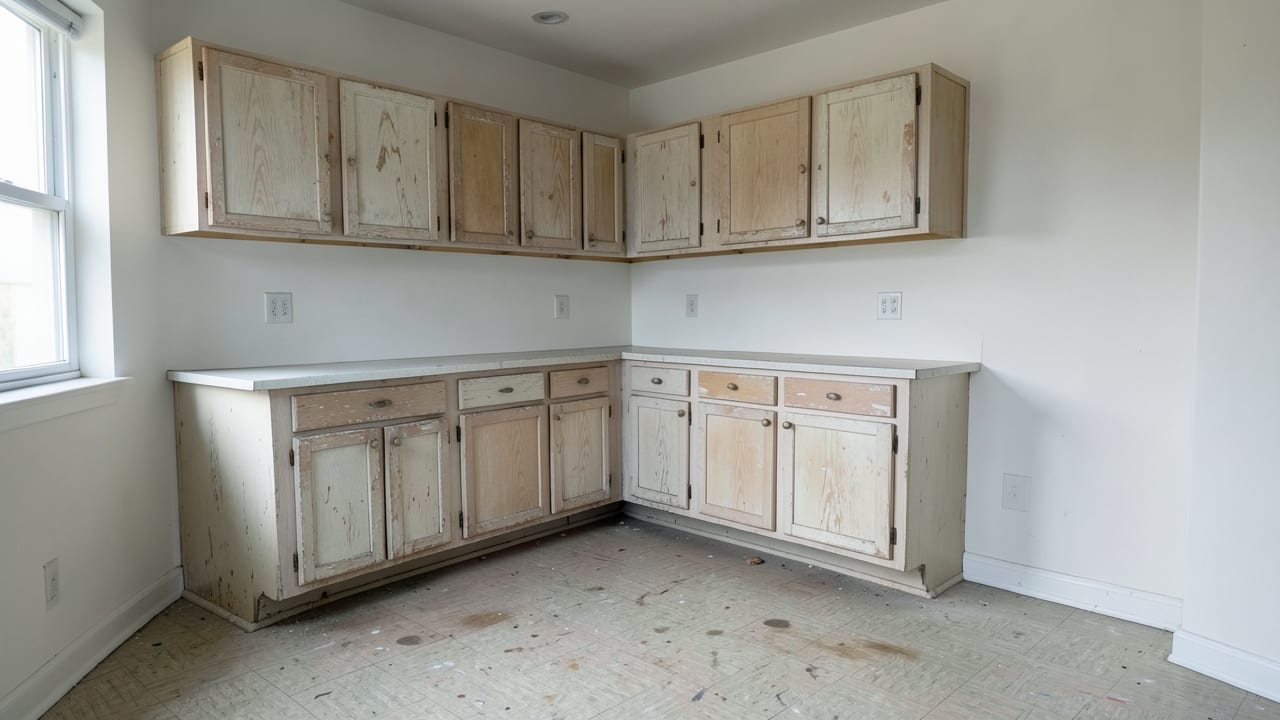
Rental Property Mold Cleanup in Milltown, NJ
Professional mold removal and remediation for rental properties to restore safe living conditions.
Learn More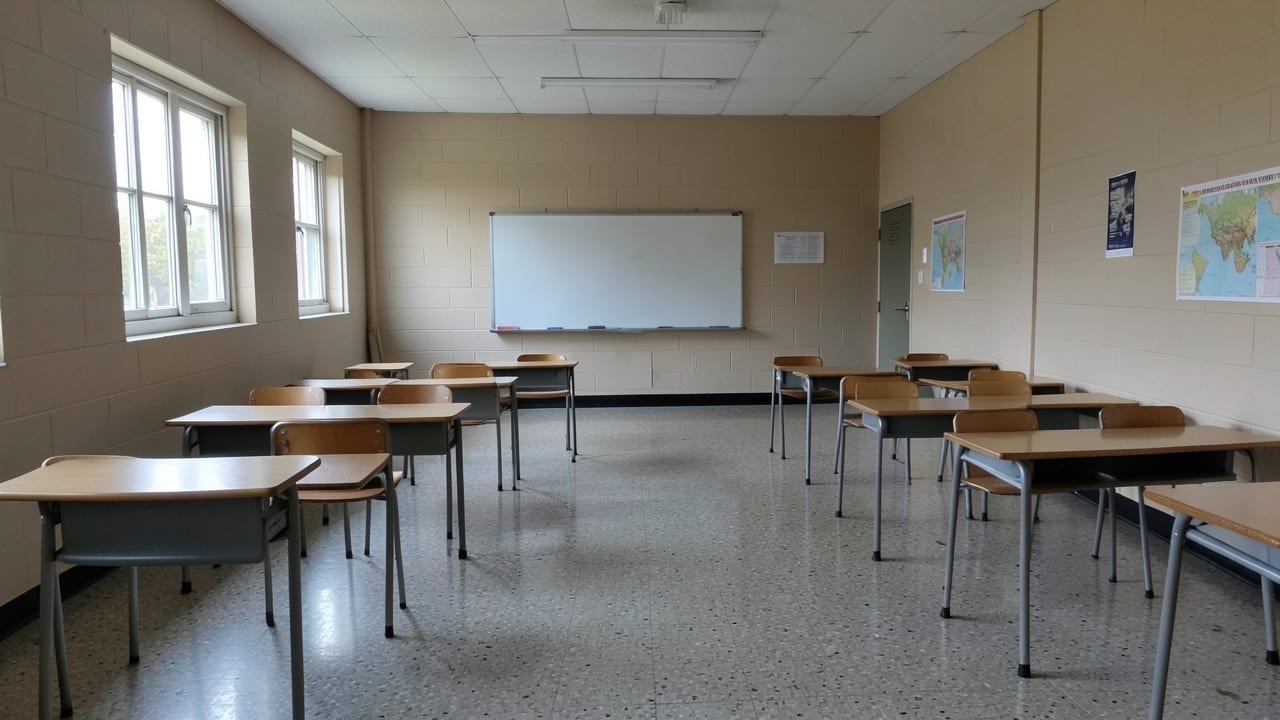
School Mold Remediation in Milltown, NJ
Professional mold removal and remediation in schools to ensure a safe, healthy environment.
Learn More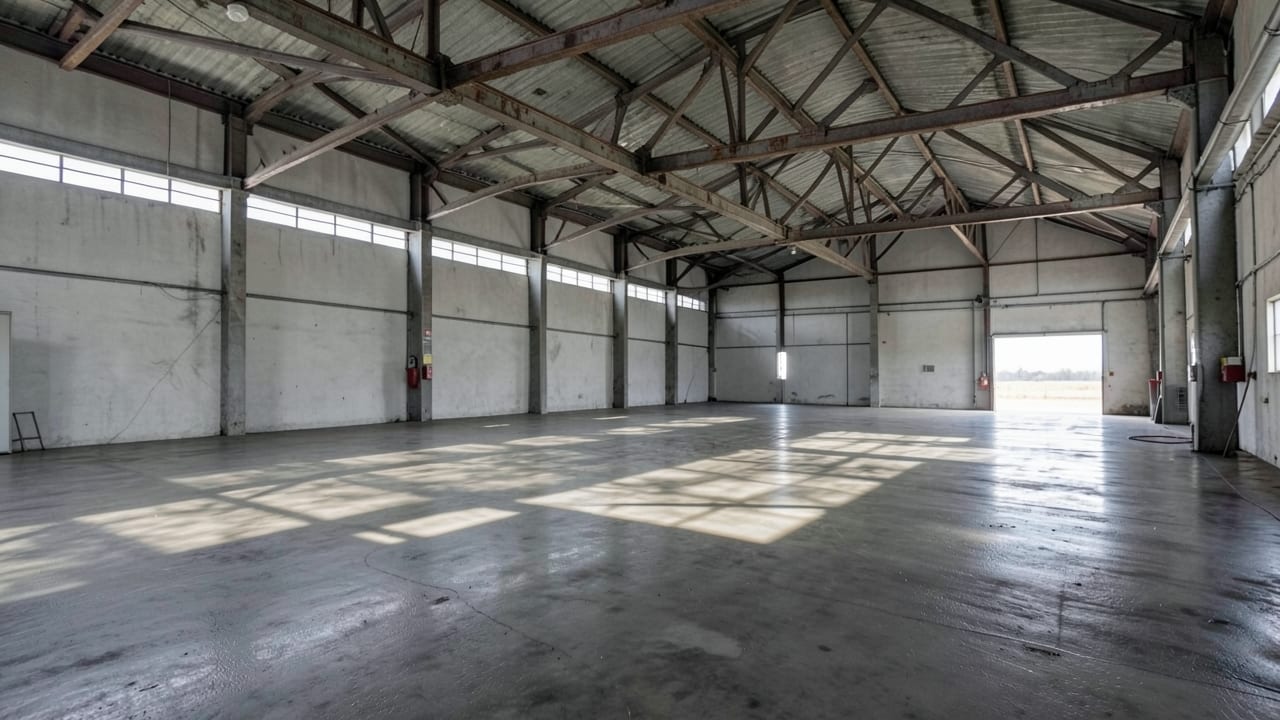
Warehouse Mold Cleanup in Milltown, NJ
Professional removal of mold from warehouse spaces to restore safe, clean conditions.
Learn More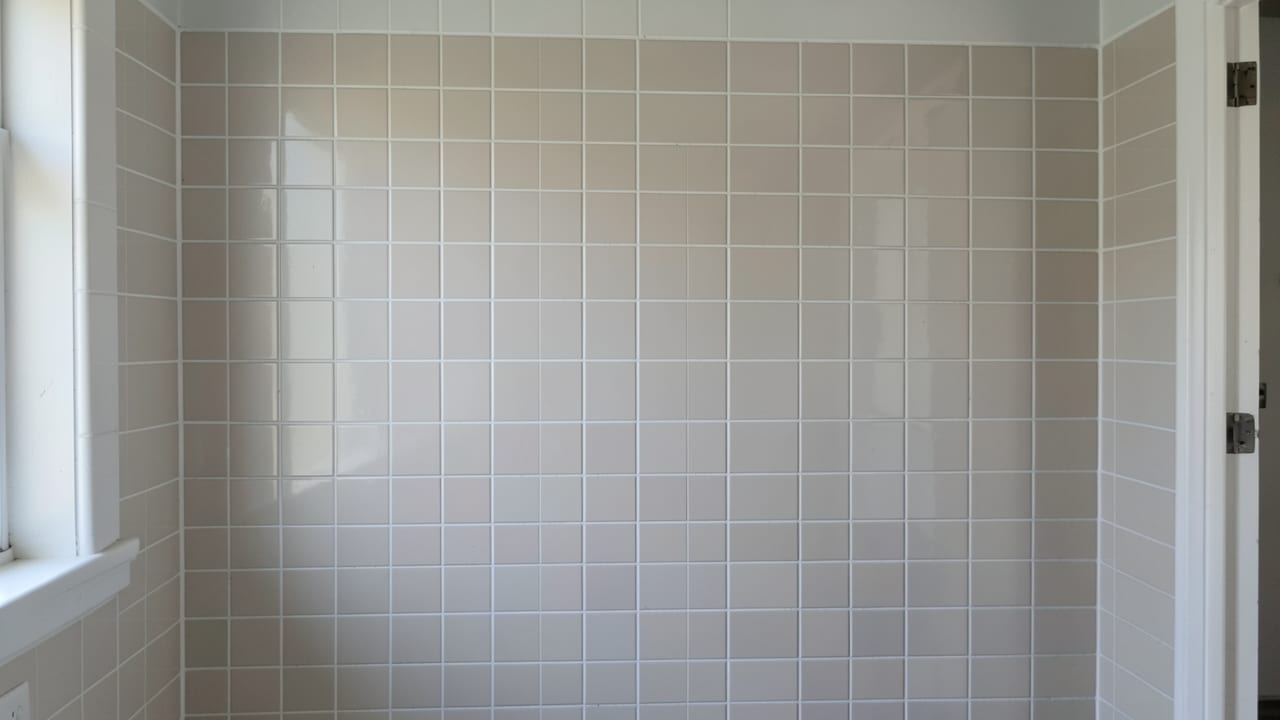
Tile & Grout Mold Cleanup in Milltown, NJ
Professional removal of mold from tile and grout surfaces in bathrooms, kitchens, and other tiled areas.
Learn More
Vinyl Flooring Mold Treatment in Milltown, NJ
Professional mold treatment and removal for vinyl flooring in homes.
Learn More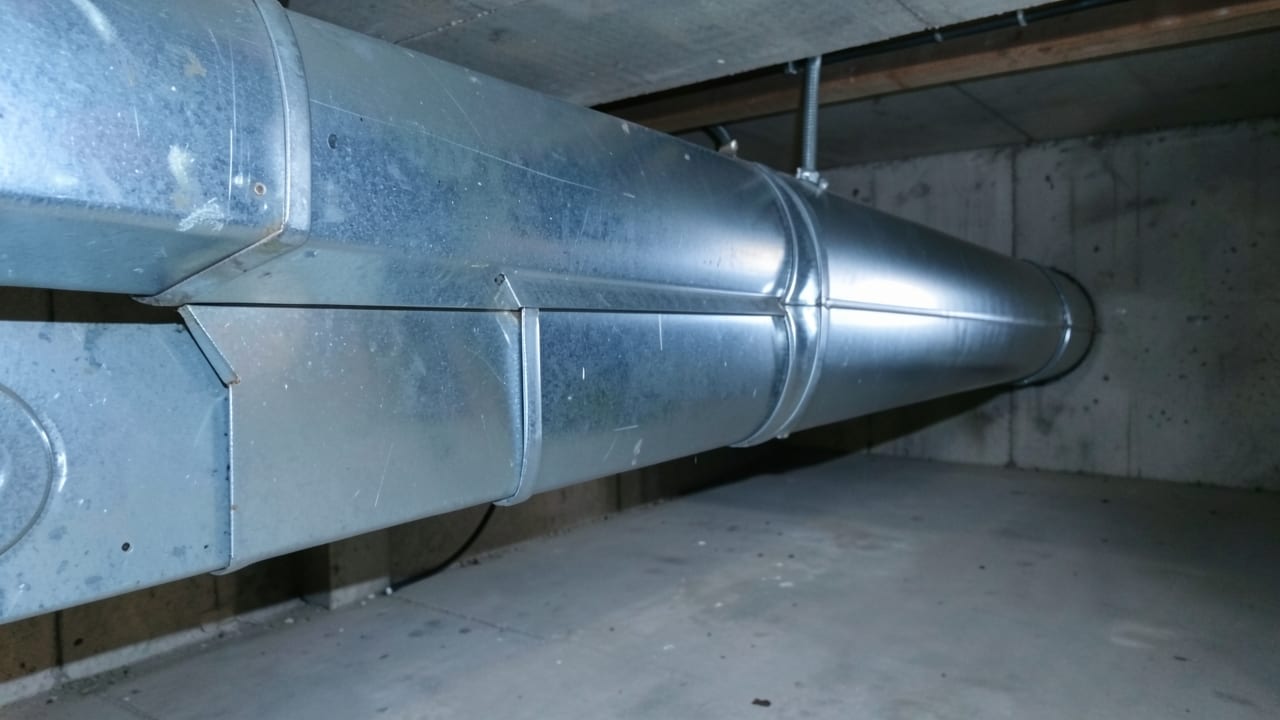
Metal Ductwork Mold Remediation in Milltown, NJ
Professional removal of mold from metal ductwork to restore indoor air quality.
Learn MoreCommon Questions About Mold Remediation in Milltown
Everything you need to know about mold remediation services in Milltown
How much does Move-In Mold Assessment typically cost in Milltown, NJ?
Why does Milltown, NJ's humidity make mold a bigger risk than in drier regions?
How does mold remediation actually prevent the problem from coming back?
Can mold growing inside HVAC ductwork spread to the rest of a home?
Does mold mean the same thing as mildew?
Does homeowners insurance typically cover mold remediation?
Need Mold Remediation in Milltown?
Connect with local providers in Milltown for a detailed quote.
⏰ We answer your call • Serving all of Milltown and surrounding areas