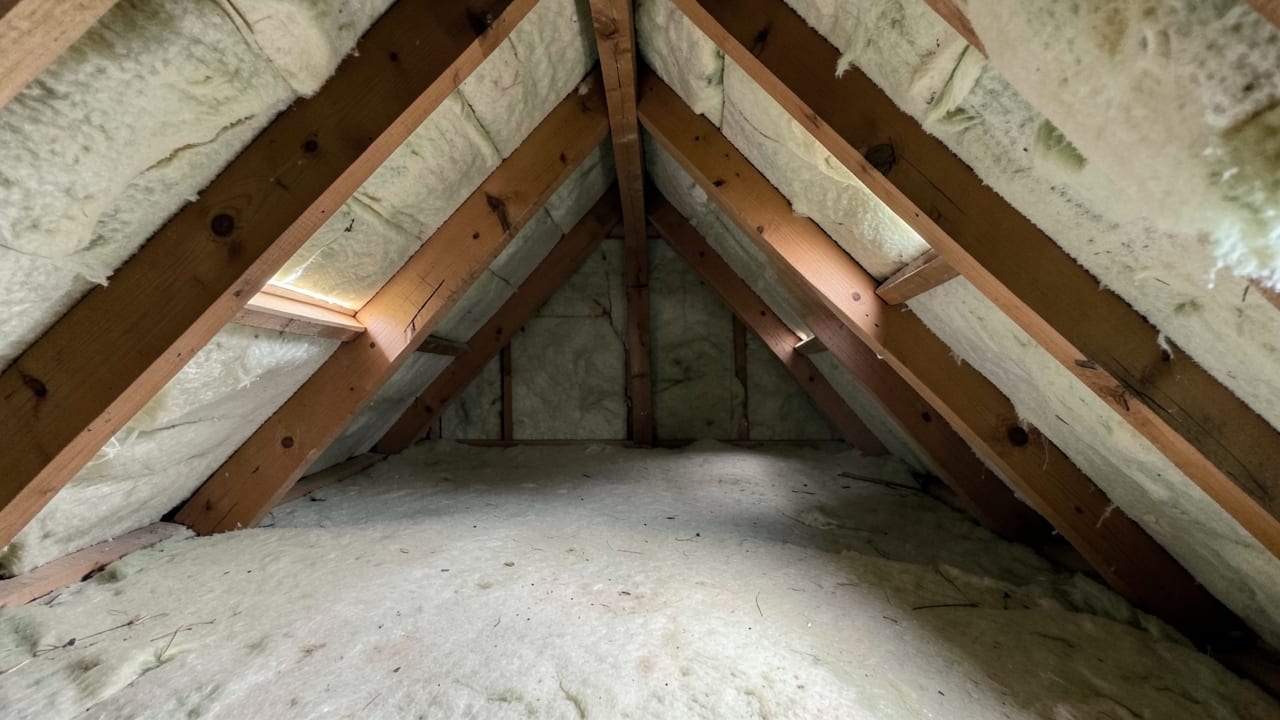
Roof Leak Mold Remediation
Professional removal of mold caused by roof leaks to restore a safe, healthy home environment.
Roof leaks in Milltown, NJ, often lead to hidden mold growth that spreads through framing, insulation, and drywall. Roof leak mold remediation focuses on safely removing contaminated materials, sealing affected areas, and fixing moisture sources to prevent regrowth.
This process protects your home’s air quality and structure while complying with New Jersey’s home improvement contractor regulations.
We also handle Gym Mold Remediation and Fire Smoke Mold Remediation for Milltown properties.
When roof leak mold needs professional remediation
Mold from roof leaks often starts small but can quickly become a larger issue if moisture keeps feeding it. Visible signs include discolored patches larger than a few square feet, recurring mold after cleaning, or a persistent musty odor—especially when HVAC runs.
These indicate the problem is likely hidden behind walls, under flooring, or inside ductwork, where it can spread spores throughout your home.
New Jersey does not require a separate mold license, but any contractor performing this work must register annually as a Home Improvement Contractor (HIC) with the state. Always verify their registration number (starting with *HIC*) before hiring, as unregistered work may not meet safety or insurance standards.
Signs Your Roof Leak Mold Requires Professional Help
- Mold covers more than a small, isolated patch (25+ square feet is a common threshold for professional work).
- Cleaning the mold only makes it return within weeks or months—often a sign the moisture source isn’t fixed.
- A musty smell persists even after visible mold is wiped away, suggesting hidden growth in walls or ductwork.
- The odor worsens when your HVAC system turns on, indicating spores may be circulating through vents.
How pricing and scope affect your project
Pricing for roof leak mold remediation in Milltown typically ranges between $11 and $27 per square foot of treated area, based on public market data. This range can increase by 15–25% if black mold (Stachybotrys) is confirmed, as it requires additional safety precautions.
Pricing also varies depending on whether containment, clearance testing, or structural repairs (like fixing the leak) are included.
A low initial quote may exclude critical steps like containment setup, HEPA filtration, or third-party testing. Always ask for a written scope of work that details what’s included—such as inspection, remediation, and clearance testing—and whether the moisture source (the roof leak) will be addressed.
Skipping these steps can lead to higher costs later if mold returns.
What to watch for during the remediation process
Proper remediation involves more than just removing visible mold—it requires containment to prevent spores from spreading, HEPA filtration to capture airborne particles, and structural drying to stop regrowth.
Industrial dehumidifiers and air movers are used to dry framing and subfloors to normal moisture levels before the area is sealed back up. Without these steps, mold can return within months.
After remediation, an independent clearance test (air or surface sampling) confirms spore levels are back to normal. This test is critical because it’s the only way to verify the work was effective. Some contractors skip this step, leaving homeowners unsure if hidden mold remains.
Avoid bids that: lack a written scope of work, exclude containment or clearance testing, or pressure you to sign during the inspection. These can lead to incomplete work or hidden costs later.
How roof leak mold remediation works
This process follows strict safety and containment protocols to remove mold and prevent regrowth.
- 1Containment Setup
Plastic sheeting and negative-air machines seal off the work area to trap spores. This prevents them from drifting into unaffected parts of your home during removal.
- 2Material Removal and Cleaning
Porous materials like drywall and insulation—absorbed with mold—are cut out and bagged inside containment. Non-porous surfaces (framing, tile) are scrubbed and treated instead of discarded.
- 3HEPA Filtration and Drying
HEPA air scrubbers run continuously to capture airborne spores, and surfaces are vacuumed with HEPA-equipped tools. Industrial dehumidifiers dry framing and subfloors to normal moisture levels before sealing the area.
- 4Clearance Testing
An independent lab tests air or surfaces post-remediation to confirm spore counts are within normal ranges. This step ensures the mold is fully removed before containment is taken down.
- 5Moisture Source Repair
Fixing the roof leak or other moisture issues (like grading or HVAC problems) is essential. Without this, mold can regrow in the same spot within months.
Frequently asked questions
How do I know if my roof leak mold is dangerous enough to need professional help?
If mold covers more than a small patch (around 25 square feet), keeps returning after cleaning, or you notice a musty smell—especially when HVAC runs—it’s likely hidden and requires professional remediation. DIY methods often miss hidden growth or fail to address moisture sources.
Will my insurance cover roof leak mold remediation?
Some homeowners’ policies cover mold damage if it’s linked to a covered peril (like a storm-damaged roof). Check your policy for exclusions, as many insurers exclude pre-existing mold or require proof the leak was recently repaired. Document the issue with photos and leak reports before contacting your insurer.
How long does it take to remediate roof leak mold, and what affects the timeline?
Drying time depends on humidity and the size of the affected area, while containment and testing add days. Structural repairs (like fixing the roof leak) may extend the project. A written scope should outline the expected timeline for each step.
Can I stay in my home during roof leak mold remediation?
You can remain in your home if the work area is properly contained and ventilation is maintained. However, avoid the remediation zone entirely, as disturbed spores can still pose a risk. Follow your contractor’s guidance on airflow and entry restrictions during the process.
Where Milltown sits, and what the Census lists nearby
Milltown sits in New Jersey, and the closest places listed in the U.S. Census Gazetteer are New Brunswick (2.6 miles north), South River (3 miles east), Highland Park (3.5 miles north), East Franklin (3.5 miles northwest).
Within 25 miles of Milltown the same source lists 196 distinct incorporated places and census-designated places.
Those figures matter for roof leak mold remediation because they are straight-line distances between Census coordinate points: road mileage between Milltown and New Brunswick runs longer than the 2.6 miles shown, which is why quotes for the same job differ between towns that look close together on a map.
Source: U.S. Census Bureau Gazetteer.
See Spotswood, NJ for more, or check out the rest of our Milltown lineup step by step for our complete lineup.
Ready to get started?
Talk to a local mold remediation pro in Milltown — get a written quote.
Other Mold Remediation Services in Milltown
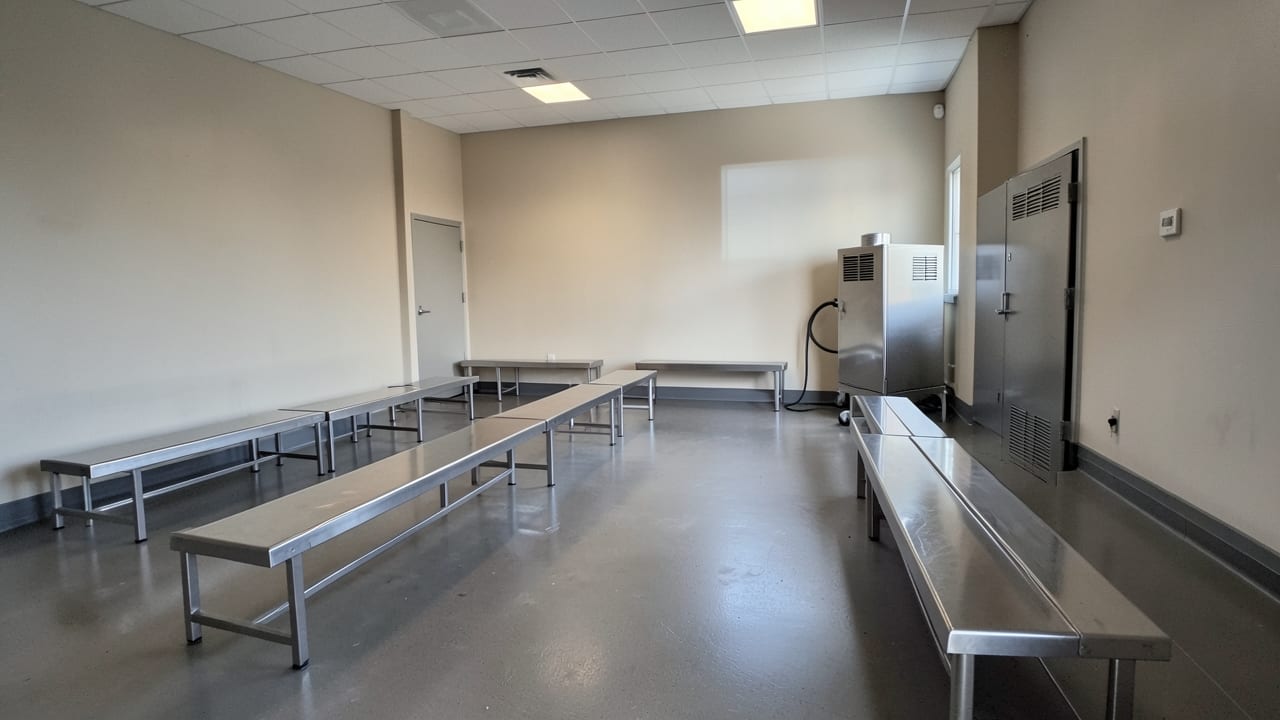
Gym Mold Remediation in Milltown, NJ
Professional removal and treatment of mold in gyms to restore safe, clean environments.
Learn More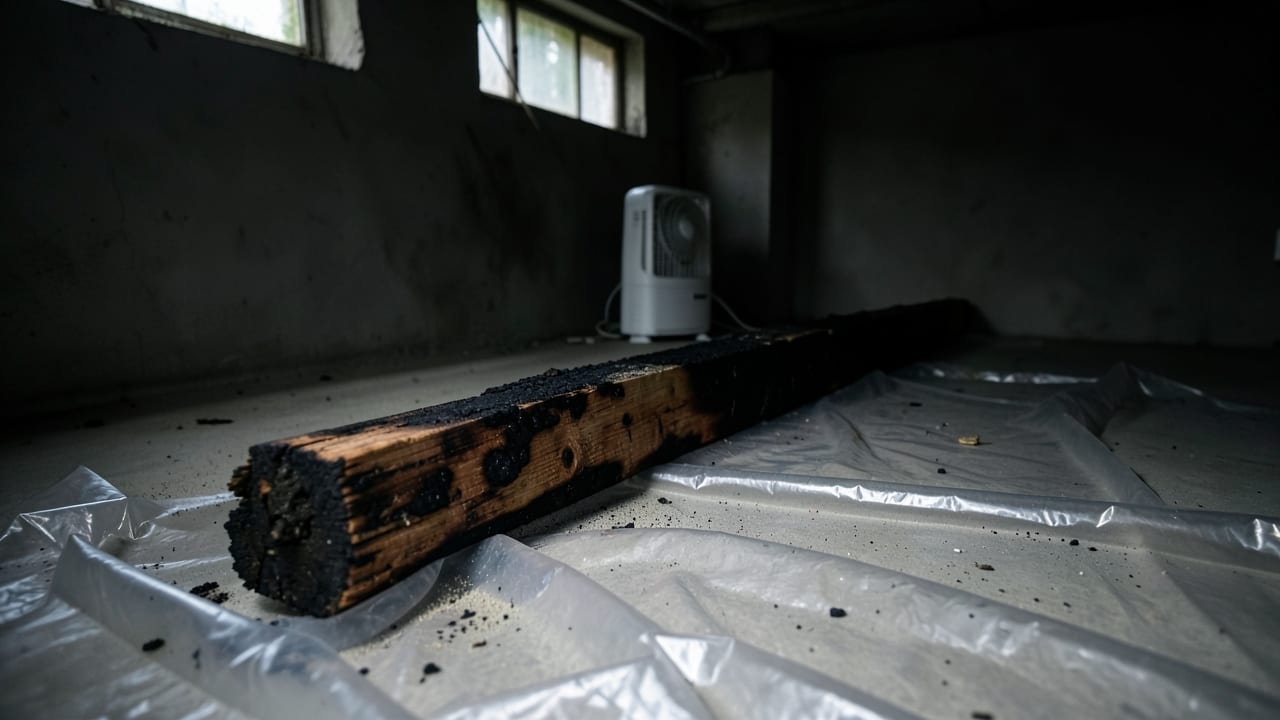
Fire Smoke Mold Remediation in Milltown, NJ
Professional cleanup and restoration of fire, smoke, and mold damage in homes.
Learn More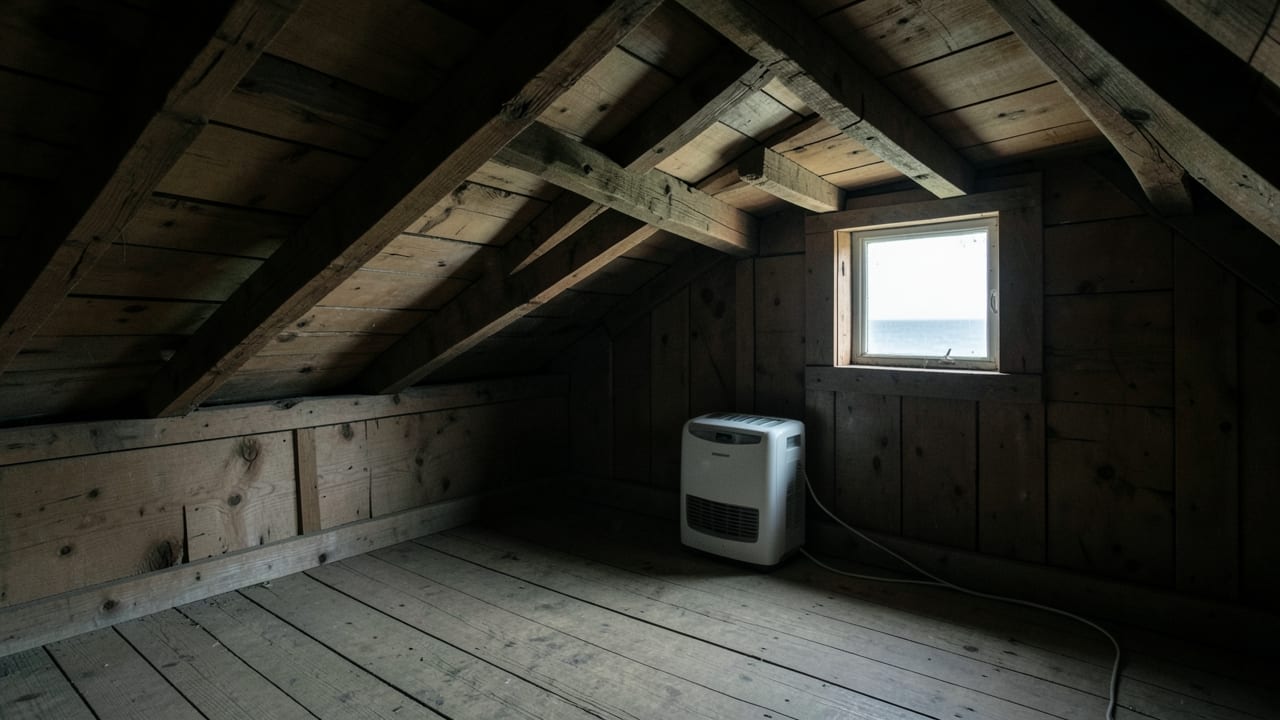
Salt Air Mold Remediation in Milltown, NJ
Professional mold assessment, containment, removal, and prevention in affected areas of the home.
Learn More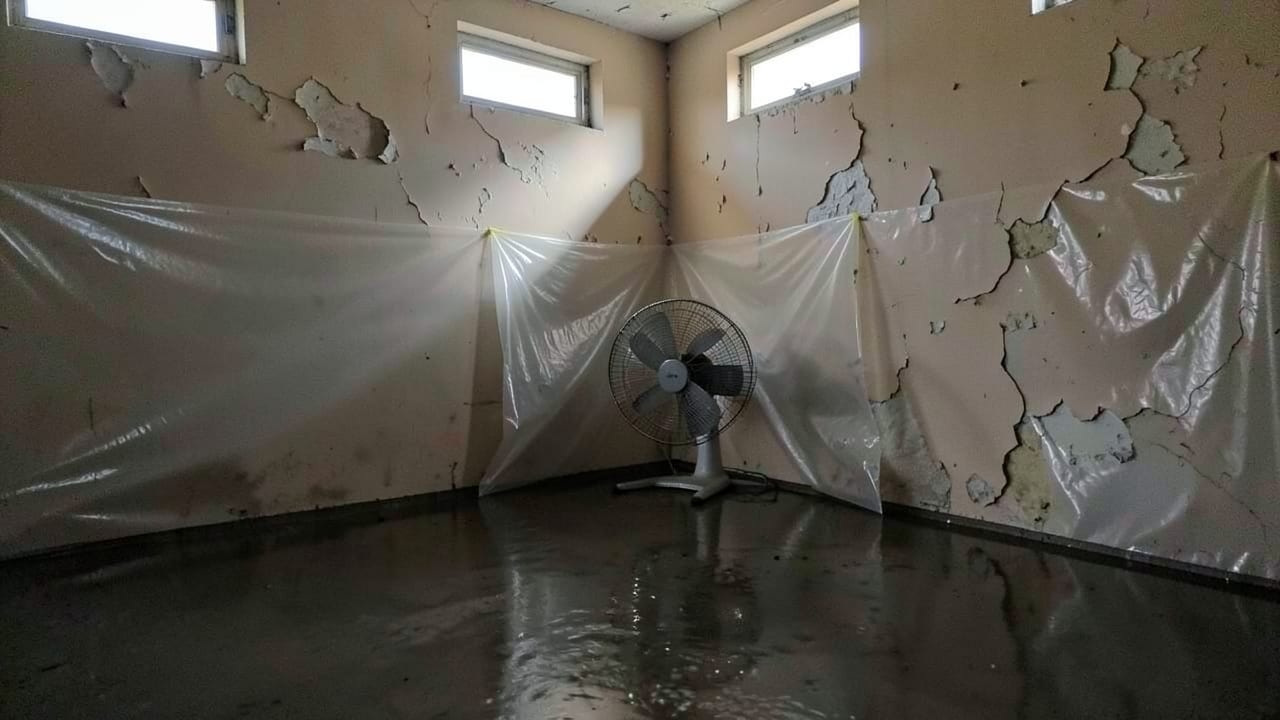
Storm Damage Mold Cleanup in Milltown, NJ
Professional cleanup and remediation of mold caused by storm-related water damage in homes.
Learn More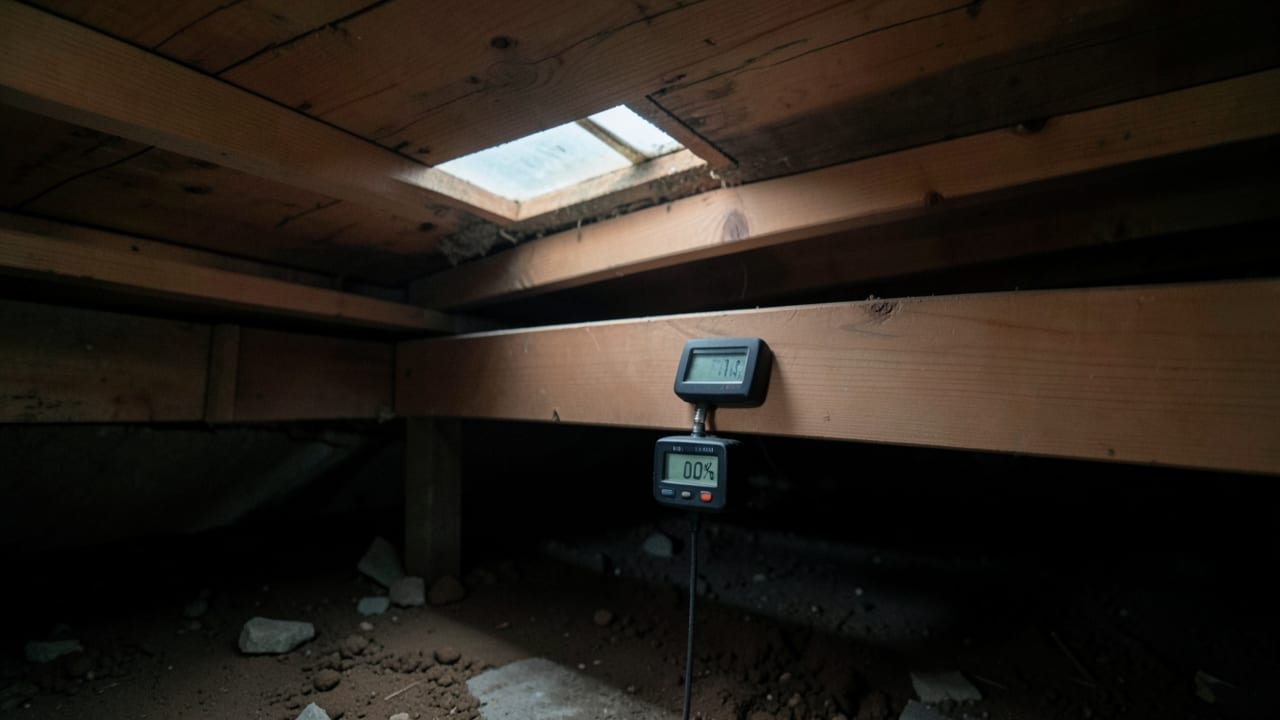
Spring Mold Inspection in Milltown, NJ
Professional assessment and identification of mold growth in homes.
Learn More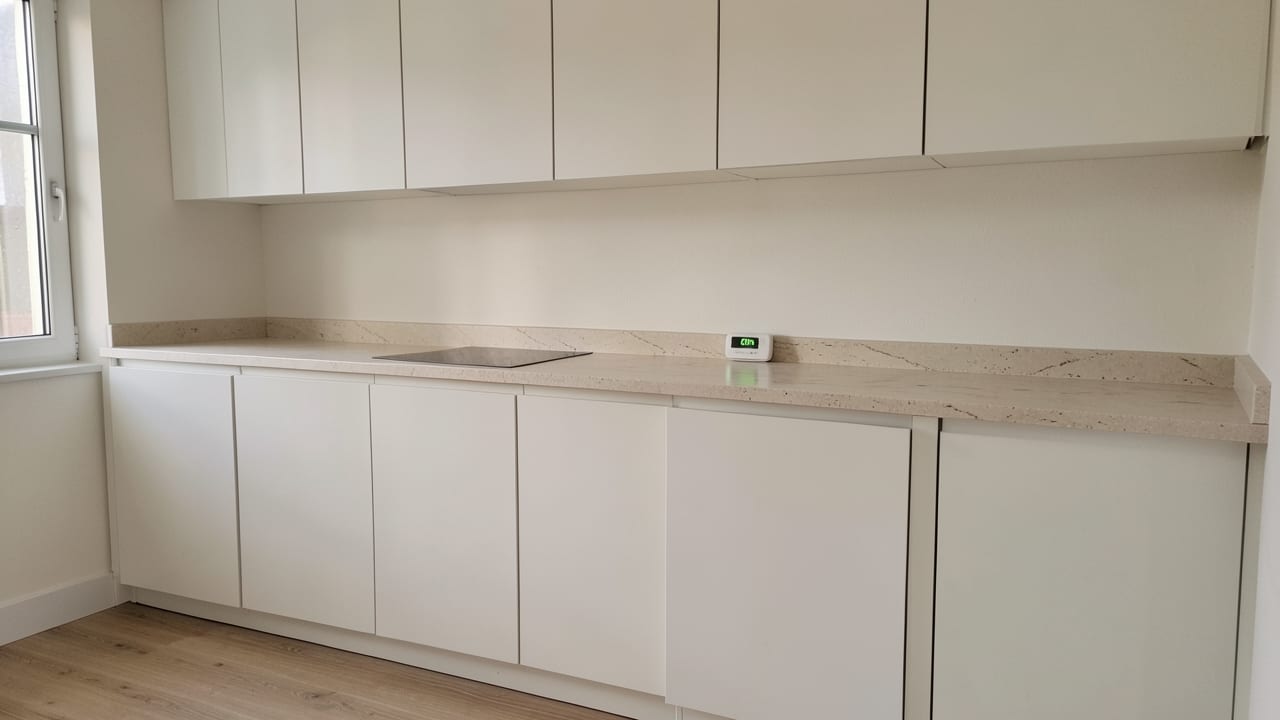
Move-In Mold Assessment in Milltown, NJ
Professional inspection and assessment of mold presence before moving into a property.
Learn MoreCommon Questions About Mold Remediation in Milltown
Everything you need to know about mold remediation services in Milltown
How much does Roof Leak Mold Remediation typically cost in Milltown, NJ?
Why does Milltown, NJ's humidity make mold a bigger risk than in drier regions?
Does mold mean the same thing as mildew?
Does homeowners insurance typically cover mold remediation?
Is black mold actually more dangerous than other mold types?
How long does a typical mold remediation job take?
Need Mold Remediation in Milltown?
Connect with local providers in Milltown for a detailed quote.
⏰ We answer your call • Serving all of Milltown and surrounding areas